
Riverside, CA · Garage Door Service
Garage Door Repair for Woodcrest's 1980s Housing Stock
Woodcrest's homes mostly date to 1984, which means aging extension springs and worn opener gears. Riverside Garage Door Pros repairs these doors on-site.
- Repairs & new doors
- Springs & openers
- Serving 5 nearby communities
Why It Happens Here
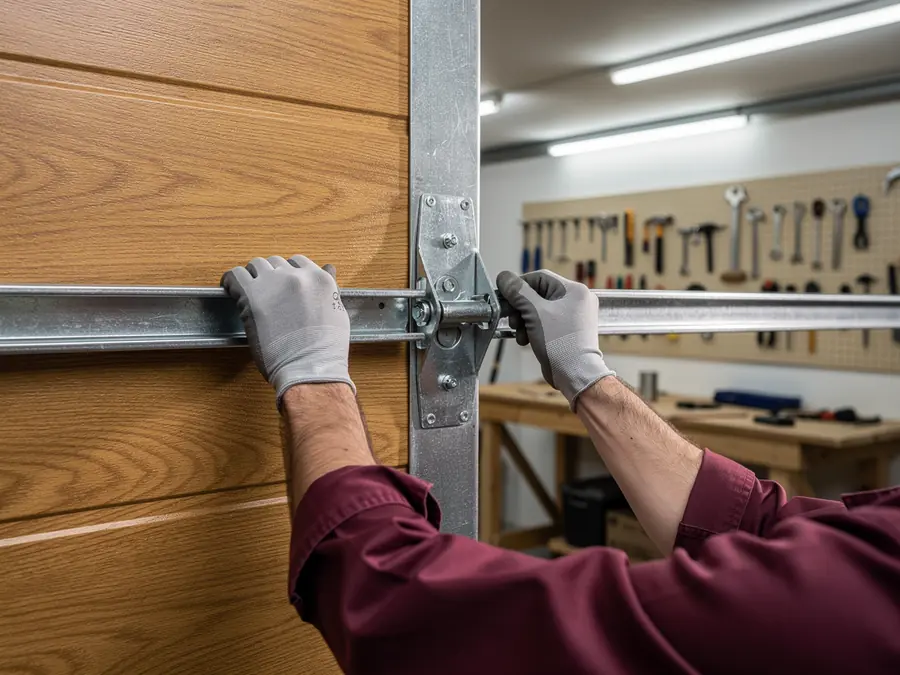
Woodcrest's housing stock centers on a median build year of 1984, which puts it right at the point when garage doors were shifting from extension-spring systems to torsion setups. Both show up here. If your house is on the older end of that range, you may still have the original extension springs running along the horizontal track, mounted with little or no containment cable - a setup that was legal when it went in and isn't up to current code if it ever needs replacing. If your house is newer within that window, you likely got an early torsion system instead, which holds up better but is now also pushing forty years old. Across the wider service area, most homes fall into that same 1938 to 2007 range with a median of 1983, and the bulk of the stock is 1980s and 90s construction - Woodcrest sits squarely inside that pattern rather than being an exception to it. The moderate heat band this part of the service area sits in doesn't put the stress on rubber seals and nylon gears that a harsher climate would, so when something fails on a door this age, it's usually the hardware reaching the end of its working life, not weather damage forcing the issue.
How It Shows Up
On a door with original extension springs, the first sign is usually one side of the door hanging lower than the other, because the two springs rarely wear out at the same rate. You'll also see rust forming where the spring coils rub against each other, especially on doors that haven't been touched since they were installed. On torsion setups from the same era, the more common complaint is a door that reverses partway up, or a cable that's started to fray at the bottom bracket. Openers installed in the 80s and 90s were often chain-drive units, and after decades of use the chain stretches and starts slipping on the sprocket before it ever fully fails - you'll hear it before the door stops working. Track misalignment is another one: steel track from this period wasn't galvanized the way current track is, so where moisture has reached it over the years, you can get pitting that catches the rollers. None of these are dramatic failures. They're slow ones, which is part of why they often get ignored until the door won't move at all.
The Cost of This Job
We don't post a flat number here because the repair itself depends on what's actually failed and whether parts for that specific hardware are still made. That's the real variable in a neighborhood like this one: a door with original 1980s hardware sometimes needs a part that simply isn't manufactured anymore, which turns what looks like a repair into a full spring or opener replacement. Woodcrest's median household income runs well above the rest of the service area - $139,659 against $90,208 - and in practice that means more owners here choose to replace aging hardware outright rather than keep patching a door that's already decades past its expected life. That's not a sales pitch, it's just the pattern. A repair is still the right call when the door itself and the track are sound and it's one part that's gone. Replacement makes more sense when the spring, cables, rollers, and opener are all original and all the same age - fixing one piece just means the next one goes a year later.
Can You Do This Yourself
Lubricating hinges and rollers, tightening loose bolts on the track brackets, and testing the auto-reverse with a block of wood under the door are all things an owner can safely do, and doing them regularly slows down exactly the kind of wear common on hardware this age. What you shouldn't do yourself is touch the spring. A wound torsion spring holds enough stored tension to cause real injury if it lets go while you're working on it, and an extension spring without a containment cable can fail the same way. We won't talk anyone through a spring swap over the phone, and we don't think that's a gap in service - it's the one job on a garage door where the risk isn't worth the money saved. If you're not sure which type of spring you have, that's worth finding out before you decide to take anything apart.
Frequently asked questions
Why does my garage door feel heavier to lift than it used to?
On a door this age, that's almost always a spring losing tension, whether it's an original extension spring stretching out or a torsion spring gradually weakening. The door's weight hasn't changed, but the spring is no longer doing its share of the lifting, so the opener or your arms end up doing more of the work.
Is it normal for a 1980s opener to still be running?
It happens, but an opener from that period usually relies on an aging chain drive and may predate the safety photo-eye standards built into every opener made after 1993. If yours still works but has no sensor eyes near the floor, that's worth addressing regardless of how well it currently runs.
Do you carry parts for older torsion and extension systems?
We work on both systems regularly given how common they are in homes of this age, but some original parts from the 1980s are no longer manufactured. When that's the case, we'll tell you plainly whether a compatible replacement part exists or whether the repair is really a replacement.
More garage door services in Woodcrest
Book garage door service in Riverside
Call now or request a quote - tell us what the door is doing and where you are.